
Buying a Condo in Uptown Dallas: A Practical Guide
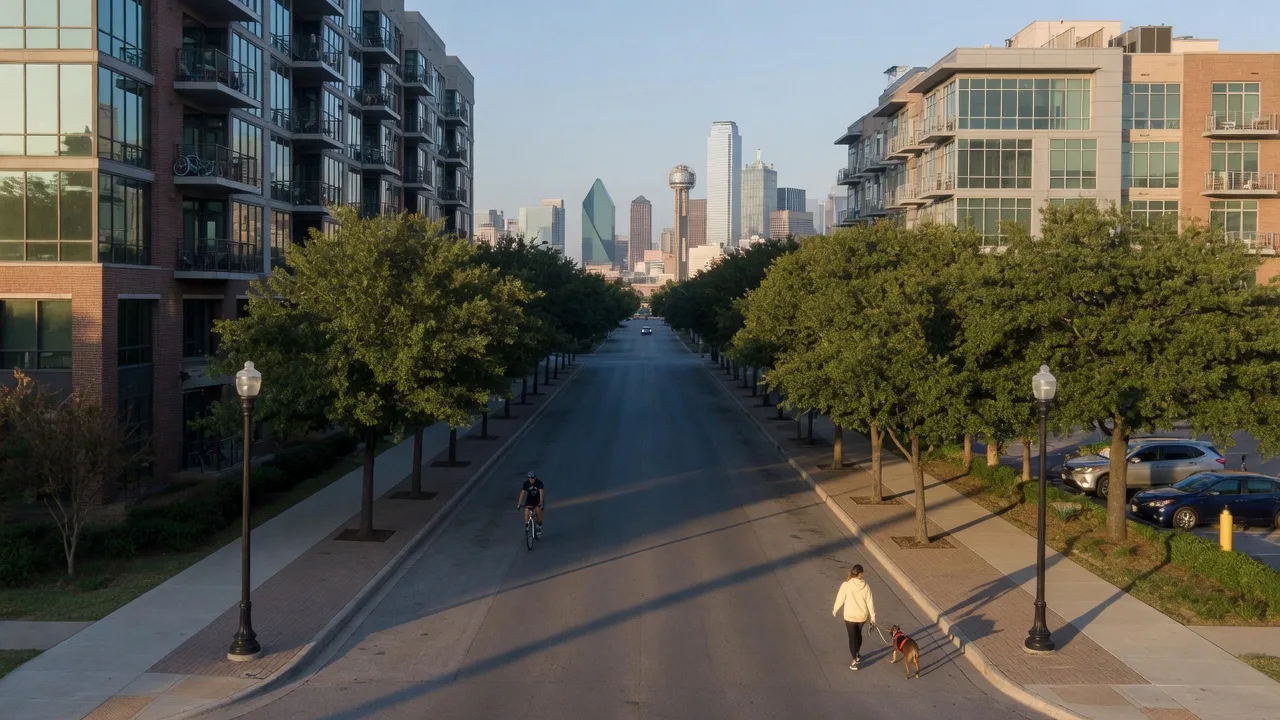
Uptown Dallas is the most walkable neighborhood in the city, and for condo buyers, it is also the most concentrated market. High-rise towers along McKinney Avenue, mid-rise buildings on the quieter side streets, townhome enclaves near the Katy Trail — the options are dense, and the differences between buildings matter more here than in any other urban core neighborhood.
I have been working these streets since 2000, and I have seen the Uptown condo market through multiple cycles. What I know for certain is that the building you choose in Uptown determines your monthly costs, your financing options, your lifestyle, and your eventual exit strategy. Square footage and kitchen finishes are secondary. The building is the decision. This guide covers what I walk every buyer through before they make an offer on a condo in Uptown Dallas.
Why Uptown?
Uptown carries a Walk Score of 88 to 97 depending on your exact location, which puts it in the "Walker's Paradise" category. That is rare for Dallas, and it shapes the kind of living you can expect. The Katy Trail runs through the middle of the neighborhood. Klyde Warren Park sits at the southern edge, connecting Uptown to the Dallas Arts District. West Village anchors the north end with shopping, dining, and a movie theater. And the M-Line Trolley runs free along McKinney Avenue, giving residents a practical way to get around without a car.
For buyers who want to live close to the city center with daily errands, dining, and recreation within walking distance, Uptown is the best option in Dallas. But the convenience comes with tradeoffs. Density means noise in some buildings. Parking is limited in older buildings. And the HOA fees in full-service high-rises are a significant part of the monthly budget. Knowing which tradeoffs matter to you is the first step in choosing the right building.
Understanding the Building Types
Uptown's condo stock falls into three categories, and each one serves a different buyer profile.
High-Rise Condos
The high-rises along McKinney Avenue, Cedar Springs Road, and the edges of the neighborhood are the most visible part of Uptown's skyline. Buildings like The Mosaic (29 stories, 2008), The Stoneleigh (19 stories, a historic building originally opened in 1960 and converted to condos), One Uptown, and The W Residences offer full-service amenities: doormen, pools, fitness centers, concierge services, and in some cases attached retail.
Monthly HOA fees in Uptown high-rises typically range from $500 to over $1,200 depending on the unit size, the amenity package, and the age of the building. These fees cover common area maintenance, insurance, security, water, trash, and typically some utility costs. They also fund the building's reserve account, which pays for major capital improvements like elevator modernization, roof replacement, and parking garage repairs.
The tradeoff with high-rises is cost and governance. A larger building has more shared systems and more potential for large special assessments if reserves are underfunded. I review the reserve fund study for every high-rise I show a client, because the financial health of the building is as important as the condition of the unit.
Mid-Rise Condos
Mid-rise buildings are scattered throughout Uptown, typically on the quieter side streets rather than the main corridors. They tend to have fewer units, lower HOA fees, and a more residential feel. Buildings like The Quadrangle (a historic mixed-use complex near the Arts District with boutique shops and restaurants at street level) and various smaller structures along Worthington, Gillespie, and Bowen Streets fit this category.
HOA fees in mid-rise buildings generally run between $300 and $600 per month. Financing is typically more straightforward than with high-rises, though some buildings still carry restrictions. For buyers who want the walkability of Uptown without the cost structure of a full-service high-rise, mid-rise buildings are often the best fit.
Townhomes
Townhome communities in Uptown are less common than condos, but they exist in pockets — particularly along the edges of the neighborhood near the Katy Trail and around the West Village area. Uptown townhomes offer more square footage and privacy than most condos, with simpler HOA structures and lower monthly fees.
For buyers who want their own entrance, a small patio or yard, and less financial entanglement with a large association, a townhome in Uptown is worth considering. The tradeoff is that the HOA covers less — typically just exterior maintenance and common areas — which means you have more direct responsibility for upkeep and repairs.
The HOA Landscape in Uptown
HOA fees in Uptown are higher on average than in Oak Lawn or East Dallas, and they need to be. The full-service buildings in this neighborhood offer amenities that cost real money to maintain — pools, fitness centers, 24-hour concierge, parking garages, and in some cases doormen and valet services.
Here is what I tell every buyer to look at before committing to a building in Uptown:
- The reserve fund. Does the building have adequate reserves for planned capital improvements? A building that has not saved enough will hit owners with special assessments — sometimes for tens of thousands of dollars per unit.
- The resale certificate. Texas law requires this document, and it tells you the HOA's financial condition, pending litigation, recent special assessments, and whether the association is in compliance with its bylaws. I wrote a plain-English guide to resale certificates that breaks down what to look for.
- Special assessment history. Has the building levied special assessments recently? A history of frequent assessments may indicate poor financial planning or deferred maintenance catching up to the owners.
- Pending litigation. Litigation can drain reserves and lead to fee increases. The resale certificate will disclose active lawsuits involving the HOA.
I have seen buildings in Uptown with impressive lobbies and shaky finances. I have also seen older buildings with modest amenities but healthy reserves that are better long-term investments. The numbers tell the story, and I go through them with every client before we move forward.
Walkability and What It Means for Your Condo
The walkability of Uptown directly affects what kind of condo you can buy and how much it costs to live there. A unit without a reserved parking spot is far more viable in Uptown than in almost any other Dallas neighborhood. Some buyers intentionally skip the parking fee because they do not need it — the grocery store, the coffee shop, the Katy Trail, and most restaurants are within walking distance.
Whole Foods Market at McKinney and Cedar Springs anchors the grocery scene. Tom Thumb on Field Street covers everyday essentials. Coffee shops like Sip Stir Coffee House and Ascension Coffee are within a short walk of most buildings. And the restaurant corridor along McKinney Avenue offers enough variety to keep you eating well without ever getting in a car.
For a deeper look at what daily life looks like without a car in Uptown, I covered the practical details in an earlier post on walkable living in Uptown Dallas.
Condo Financing: What Uptown Buyers Need to Know
Not every condo building in Uptown qualifies for conventional mortgage financing. Fannie Mae and Freddie Mac have guidelines for condominium project eligibility, and certain buildings — particularly those with high investor concentration, pending litigation, or inadequate insurance — may not be approved.
When a building is not warrantable, buyers may be limited to cash purchases or non-conventional financing with higher interest rates. This affects resale value and can trap a buyer who did not know to ask. In Uptown, some older high-rises and buildings with high rental ratios fall into this category.
I check building eligibility early in the process with every buyer who needs financing. It is a quick step that can save a lot of frustration later. For a complete breakdown of how condo financing works and what determines building eligibility, see my earlier post on condo financing in Dallas.
What to Look For When Touring a Uptown Condo
When you tour a condo in Uptown, you are evaluating two things at once: the unit and the building. Here is what to pay attention to beyond the finishes and the view.
- Common area condition. Hallways, lobbies, elevators, and the parking garage tell you how well the HOA is managing the property. A worn-out lobby with signs of deferred maintenance is a red flag.
- Noise levels. Units on McKinney Avenue or near the Dallas North Tollway can have significant traffic noise. Visit at different times of day — a quiet unit at noon may be a loud one at rush hour or on a weekend evening.
- Parking. Does the unit include a reserved space? Is there guest parking? Some older buildings in Uptown have limited or uncovered parking, which affects resale value.
- Owner-to-renter ratio. Buildings with high investor concentration are harder to finance and may feel less like a community. Most lenders want to see at least 50% owner-occupancy.
- The HOA documents. Ask for the resale certificate, the reserve fund study, and the recent board meeting minutes. The details in these documents tell you more about the building than the unit itself does.
The True Cost of Owning a Condo in Uptown
In Uptown, the true monthly cost of owning a condo includes three numbers that need to be added together: the mortgage payment, the property tax, and the HOA fee. The HOA fee alone can add $500 to $1,200 or more to your monthly housing cost, and it is not optional.
Median condo prices in Uptown typically range from the low $300,000s for a one-bedroom in a mid-rise building to over $1 million for a larger unit in a full-service high-rise. But the price of the unit tells only part of the story. Two condos at the same price point can have dramatically different monthly costs depending on the HOA fee, the tax rate, and the building's financial health.
I work through all three numbers with every buyer before we make an offer, because the monthly payment is what determines whether the purchase works over the long term. A unit that fits your budget on paper can become a stretch if the HOA fee increases or a special assessment comes due.
Is Uptown Right for You?
Uptown is not the right fit for every buyer. It is dense, active, and urban. Noise is a factor in many buildings. Parking can be a challenge. And the HOA fees are a real part of the monthly budget that need to be accounted for upfront.
But for buyers who value walkability, access to green space, and the ability to live without relying on a car for every trip, Uptown is the best option in Dallas. The combination of the Katy Trail, Klyde Warren Park, the Arts District, and a restaurant corridor that rivals any in the city makes it a genuinely unique place to live. And with the right building selection and a thorough understanding of the HOA landscape, a Uptown condo can be a solid long-term home.
If you are thinking about buying a condo in Uptown Dallas, let's talk through what you are looking for and which buildings are worth your time. Get in touch, or read the full Uptown neighborhood guide for a deeper look at the area.
Talk soon.