
Condo Inspections in Dallas: What Buyers Should Know Before You Buy
A home inspection is one of the most important steps in any real estate transaction. But when you are buying a condo or townhome in a Dallas urban core neighborhood, the inspection process looks different than it does for a single-family house. The scope is narrower, the cost is lower, and there are specific things that matter more in a condo building than in a standalone home.
I have walked dozens of buyers through inspection reports on condos and townhomes in Uptown, Oak Lawn, East Dallas, and North Oak Cliff. What comes up most often is not that people skip the inspection. It is that they do not know what to expect, so they do not know what to ask. This post covers the basics so you walk in informed.
How Condo Inspections Are Different
In Texas, all home inspections must follow the Texas Real Estate Commission Standards of Practice. That applies to condos and single-family homes alike. But the scope of what the inspector actually examines is different because of how ownership works.
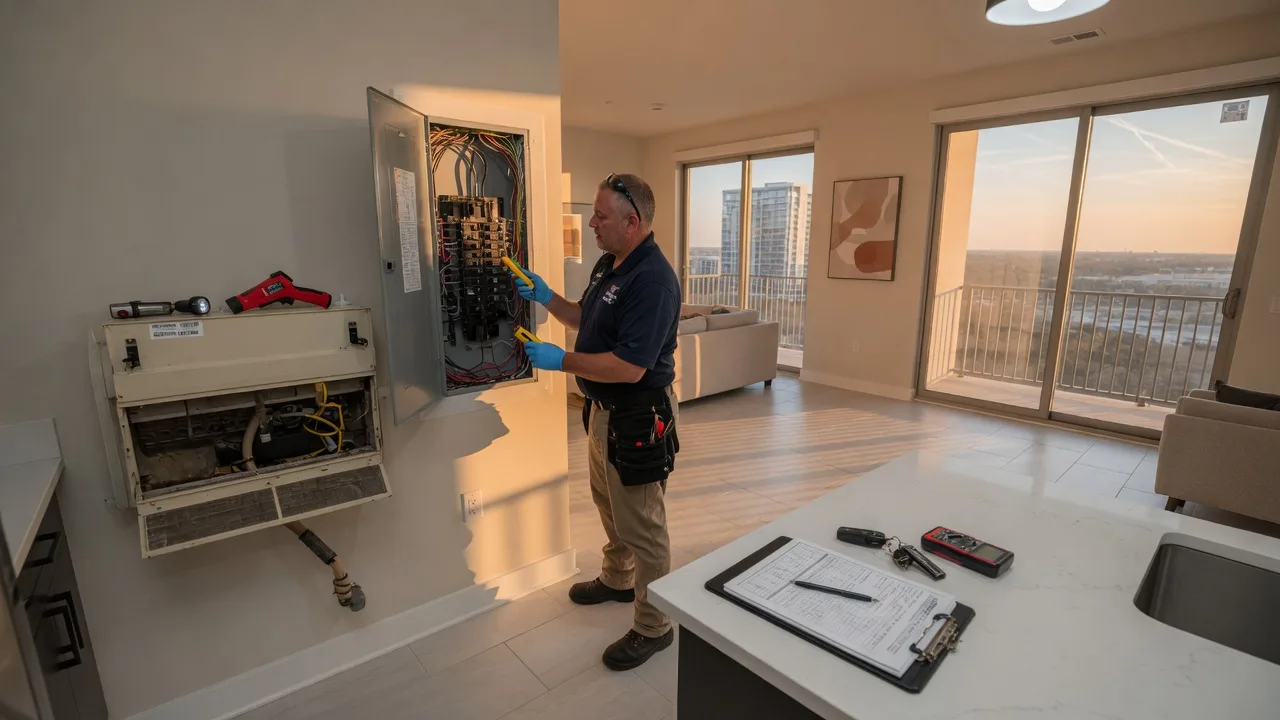
When you buy a condo, you own from the walls inward. The exterior of the building, the roof, the foundation, and the common areas belong to the HOA. Your inspector will look at the interior of your unit only: the HVAC system, plumbing, electrical, walls, ceilings, floors, windows, doors, and built-in appliances. They will flag issues inside those boundaries, but they are not inspecting the building envelope or the roof. Those are the HOA's responsibility.
For a townhome, the lines can be less clear depending on the specific HOA structure. Some townhome associations cover the roof and exterior. Others make the individual owner responsible. The ownership boundary matters, and your inspector needs to know what it is before they start.
The cost difference reflects the narrower scope. A typical condo inspection in Dallas runs around $300 for a standard-sized unit, while a single-family inspection generally runs $350 to $500. Larger or older units can push that higher, but you are usually paying less for a condo inspection because the inspector is covering less ground.
What Inspectors Commonly Find in Dallas Condos and Townhomes
Based on what I have seen across hundreds of inspection reports in these neighborhoods, here are the most common findings:
- Plumbing leaks. In older buildings especially, leaks under sinks, around toilets, and behind washing machine connections are routine. In high-rise buildings, a water leak in your unit can affect the unit below you, which turns a minor repair into a conversation with the HOA and your downstairs neighbor.
- HVAC system age and condition. The HVAC unit is often tucked into a closet or on a small balcony. Inspectors check the age, filter condition, and whether it is cooling and heating properly. Units older than 15 years are approaching replacement territory.
- Electrical issues. Missing GFCI outlets in kitchens and bathrooms, ungrounded outlets in older buildings, and outdated breaker panels are common in Dallas condos built in the 1970s and 1980s.
- Window seal failure. In mid-rise and high-rise condos, failed window seals cause condensation between the panes and reduce energy efficiency. Replacing windows in a high-rise is expensive and often requires HOA approval.
- Water damage or mold. Signs of past or active water intrusion around window frames, sliding glass doors, and bathroom exhaust fans show up regularly. In humid Dallas summers, small leaks become bigger problems quickly.
- Balcony and railing safety. Loose railings, rusted supports, and deteriorating deck surfaces on balconies are safety issues that can require immediate attention.
None of these are automatic dealbreakers. But knowing what you are dealing with before you close means you can negotiate repairs or adjust your offer accordingly.
What the Inspection Does NOT Cover
This is where a lot of confusion happens. Your condo inspection will not cover:
- The condition of the roof.
- The structural integrity of the building foundation.
- The state of the parking garage (a major expense item in many buildings).
- Common area amenities like the pool, fitness center, or elevators.
- The building's fire suppression or sprinkler systems beyond what is visible inside your unit.
These items are the HOA's responsibility, and their condition is documented in the building's reserve fund study, which you should review through the resale certificate. A building with deferred maintenance on the roof or garage is a building that may hit you with a special assessment down the road. The inspection does not catch that. The HOA documents do. That is why I always tell clients: the inspection and the HOA document review work together. One without the other leaves you with an incomplete picture.
I wrote a full guide on what a resale certificate contains if you want to understand what to look for in the HOA documents.
When to Schedule the Inspection
In Texas, the standard residential contract includes an option period, which is the time when you can conduct inspections and negotiate repairs, and also the time when you can walk away from the deal for any reason. The option period is typically 7 to 10 days, though it is negotiable. Your inspection should happen as early in that window as possible so you have time to review the report, decide what to ask for, and negotiate with the seller.
For condos, I recommend scheduling the inspection at the same time as the HOA document review. The inspection tells you about the unit. The documents tell you about the building. Both pieces of information affect your decision, and both need to come together before the option period expires.
Choosing an Inspector Who Knows Condos
Not every home inspector has the same level of experience with condos and townhomes. An inspector who does mostly single-family homes may not be as familiar with the specific things that matter in a multi-unit building. Ask whether the inspector regularly works on condos, and whether they understand the ownership boundary issue. A good condo inspector will know to flag things like shared wall noise transfer, HVAC placement constraints, and the condition of through-wall units that serve only your space.
The Bottom Line
A condo inspection is not expensive and it is not optional. It gives you a clear picture of what you are buying, what needs attention now, and what may need attention soon. When you combine the inspection report with a thorough review of the HOA documents, you have the full financial and physical picture of the property.
That is exactly the kind of clarity you want before you make one of the largest purchases of your life. If you are looking at condos or townhomes in Uptown, Oak Lawn, East Dallas, or North Oak Cliff and want to know what to expect from the inspection process, I am happy to walk through it with you.
Get in touch if you have questions about buying a condo or townhome in Dallas.
Talk soon.