
Where to Buy Groceries in the Dallas Urban Core: Uptown, Oak Lawn, East Dallas, and North Oak Cliff
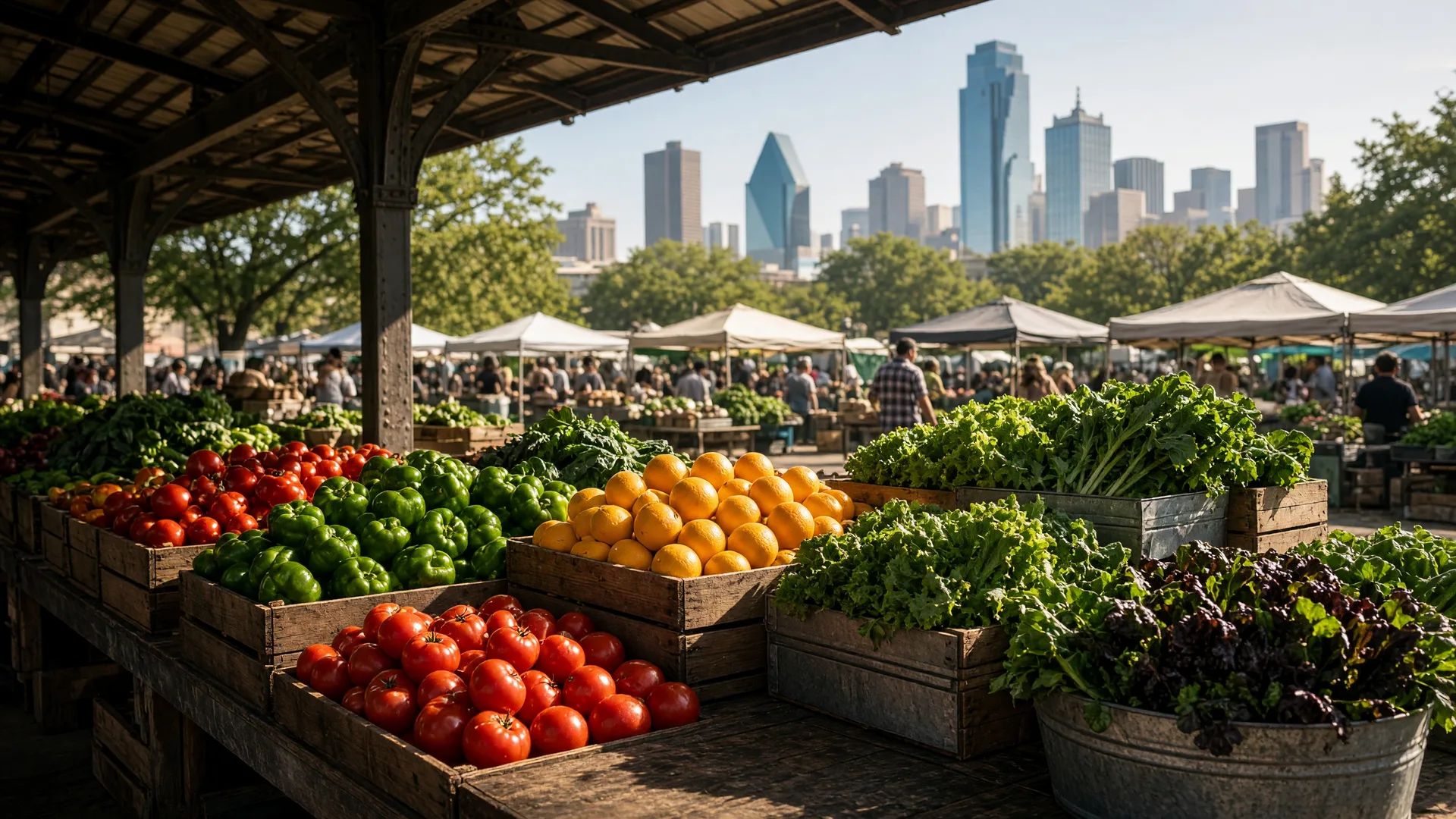
Where you buy groceries is one of the most practical questions I get from clients looking at condos, townhomes, and houses in the Dallas urban core, and it is one of the least visible ones. No listing photo tells you whether a full-service store is two blocks away or a ten-minute drive, and the answer is genuinely different in every neighborhood I work in. This guide covers the real grocery options near Uptown, Oak Lawn, East Dallas, and North Oak Cliff, so you can weigh a daily-life detail before you make an offer. I have been working these neighborhoods since 2000, and grocery access is one of the first things I bring up on a first tour.
The short version: Uptown is the only one of the four with a full-service supermarket actually inside the neighborhood. Oak Lawn has the strongest corridor, with two full-service stores on the same avenue. East Dallas spreads its options across the whole neighborhood, from Lower Greenville to Gaston Avenue. North Oak Cliff runs on Jefferson Boulevard, where the anchor store is a Hispanic-market chain that has served the neighborhood for decades. Here is the practical detail on each.
Why Grocery Access Is a Buyer Question, Not Just a Shopping Question
Every neighborhood in the urban core has its own grocery math, and it changes what the home itself needs to provide. An Uptown Dallas condo with a Whole Foods two blocks away supports a different lifestyle than a single-family house in East Dallas where you stock up once a week at Central Market. Buyers moving from the suburbs are often surprised how much of daily life here runs on smaller trips and delivery, and that is not a flaw. It is the point of living close to the city.
When I help someone buying a condo in Dallas, I ask where they actually do their weekly shopping. It tells me how much parking, pantry space, and freezer room the unit needs, and it tells me whether the buyer will be happy on a Saturday morning. The same logic runs through my guide to walkable Uptown living, where the grocery question is the one most walkability guides get wrong.
Uptown: The Only Neighborhood With a Full-Service Store Inside It
Whole Foods Market at 2510 McKinney Avenue is the anchor, and it is the reason Uptown wins this category outright. It sits in the middle of the neighborhood, is within walking distance of most of the high-rise buildings, and it is a proper full-size store, not a bodega with a salad bar. For buyers comparing Uptown Dallas condos, it is the single biggest daily-life amenity the neighborhood has.
On the north end, near State Thomas and Cityplace, Tom Thumb at 2380 North Field Street fills the gap for everyday essentials and is the closest full-service option for the buildings north of the Woodall Rodgers Freeway. Uptown Urban Market at 2600 Cedar Springs Road is a convenience market that handles the quick runs, the kind of place you use for milk and coffee, not the weekly shop.
The trade-off every Uptown buyer accepts is square footage. High-rise kitchens and pantries are small, so the pattern is more frequent, smaller trips rather than a big weekly stock-up. That is the norm here, not a surprise, and it is worth budgeting for before you settle on a unit.
Oak Lawn: A Real Grocery Corridor Along Oak Lawn Avenue
Oak Lawn is the strongest grocery neighborhood in the urban core, and the reason is simple: two full-service stores sit on the same avenue, within a mile of most of the condos and townhomes. Tom Thumb at 3878 Oak Lawn Avenue is the neighborhood anchor, and Kroger at 4142 Cedar Springs Road serves the south end of the neighborhood on the same corridor.
Between them sits Eatzi's Market & Bakery at 3403 Oak Lawn Avenue, which is not a conventional supermarket but fills a real niche: a market of prepared foods, bakery goods, and restaurant-quality dinners to go. For buyers looking at Oak Lawn townhomes, Eatzi's is the answer to the weeknight question, and it is one of the reasons this neighborhood works so well for people who eat out a lot but still want real groceries at home.
Two more stores sit on the neighborhood's edges and matter to most of my clients. Trader Joe's at 4525 Cole Avenue is minutes from the high-rises on the Highland Park side, and Whole Foods Market at 4100 Lomo Alto Drive is a short drive west. Between the two, an Oak Lawn resident rarely has to think twice about shopping.
East Dallas: Trader Joe's, Central Market, and the Gaston Avenue Markets
East Dallas is the most varied grocery market in the urban core, which suits the neighborhood: it spans everything from large Lakewood homes to starter townhomes in Old East Dallas, and the options run just as wide. Trader Joe's at 2001 Greenville Avenue anchors the Lower Greenville end and is walkable from the townhomes along the strip. Central Market at 5750 East Lovers Lane, on the border with Oak Lawn, is the destination store for the neighborhood's higher end, and it is the store I tell buyers to budget for when they compare groceries against the suburbs.
Old East Dallas has its own pair worth knowing. El Rancho Supermercado at 4121 Gaston Avenue and ALDI at 4120 Gaston Avenue sit across the street from each other, and together they make Gaston Avenue one of the best-value grocery blocks in the urban core. Nearby, La Michoacana Meat Market at 2420 North Fitzhugh Avenue is the go-to butcher and mercado in Old East Dallas, and Kroger at 4241 Capitol Avenue serves the Baylor side of the neighborhood.
North Oak Cliff: Jefferson Boulevard Is the Grocery Spine
In North Oak Cliff, daily life runs along Jefferson Boulevard, and groceries are no exception. The anchor is El Rancho Supermercado at 4450 West Jefferson Boulevard, in business since 1988 and the closest thing the neighborhood has to a full-size destination store. It has the produce, the meat counter, and a hot prepared-foods department that makes it a real one-stop shop, and it is the store most of the residents I work with actually use.
The independents fill in around it. La Michoacana Meat Market at 800 West Jefferson Boulevard is a long-running butcher and mercado, and Jerry's Supermarkets at 532 West Jefferson Boulevard is a family-run neighborhood market that has served the strip for more than fifty years. For buyers looking at North Oak Cliff homes, this matters more than the brand names: the Jefferson Boulevard markets are woven into the neighborhood the way McKinney Avenue's restaurants are woven into Uptown, and they are part of what makes the daily life here distinctive.
The Bishop Arts District adds its own option. The Oak Cliff Farmers Market, run by Bishop Bazaar at 1414 West Davis Street, has been holding a community market in the district, and it is the place to go for local produce and artisan vendors without leaving the neighborhood. Schedules change seasonally, so check Bishop Bazaar's market page before you plan a trip.
The Dallas Farmers Market: Worth the Drive for Every Neighborhood
The Dallas Farmers Market at 920 South Harwood Street, just south of downtown, is the urban core's destination grocery trip, and it is a short drive from all four neighborhoods. The market runs year-round in two parts. The Market, the indoor hall, is open daily from 10 a.m. to 7 p.m. with restaurants, specialty food, and local retail. The Shed, the open-air pavilion at 123 Taylor Street, is where the farmers and ranchers sell direct, open Saturdays from 9 a.m. to 5 p.m. and Sundays from 10 a.m. to 5 p.m., with free admission and SNAP/EBT accepted.
For buyers, a Saturday morning at the Shed doubles as a neighborhood check. The drive from Uptown, Oak Lawn, East Dallas, or North Oak Cliff all passes through parts of the city you want to see anyway, and the market itself is the best argument I know for living close to downtown.
Delivery, Pickup, and the Practical Math for Buyers
Virtually every store above runs delivery or curbside pickup through its own app or website, and those programs change often enough that I tell clients to check the store's own site rather than assume. In the urban core, the pattern that works for most people is a combination: delivery or a weekly stock-up for the big shop, and the close-in store for the daily runs.
When you are on a tour, ask yourself three questions. Which store would be your weekly anchor? How far is it really, on foot and by car? And how much pantry and freezer space does the home have? The last one matters more than most buyers expect, because the answer shapes the whole shopping routine. For the car-free version of this math, my walkable Uptown guide covers how the neighborhood handles the weekly shop on foot.
What Grocery Access Means When You Buy or Sell
For buyers, the grocery picture is a lens on the whole neighborhood. Walk the route from the front door to the store you would actually use, then compare that against the Uptown, Oak Lawn, East Dallas, and North Oak Cliff guides on this site. The neighborhood that feels right on a Saturday errand run is usually the right neighborhood.
For sellers, grocery proximity is one of those underrated selling points that only comes up in person. Be ready to talk about your actual routine: the store you use, the delivery services that reach the building, the farmers market trip. Buyers who are moving from other cities ask the most specific questions about this, because they have already learned that a listing photo does not tell you whether the weekly shop is a pleasure or a project.
When you are ready to compare neighborhoods in person, get in touch. Tell me where you do your shopping now and what you expect from a grocery run, and I will factor it into the homes we look at. That kind of daily-life detail is exactly the kind of thing I have been sorting out for clients in these neighborhoods for more than 25 years.
Talk soon!