
The M Streets: A Guide to East Dallas's Tudor Revival Neighborhood
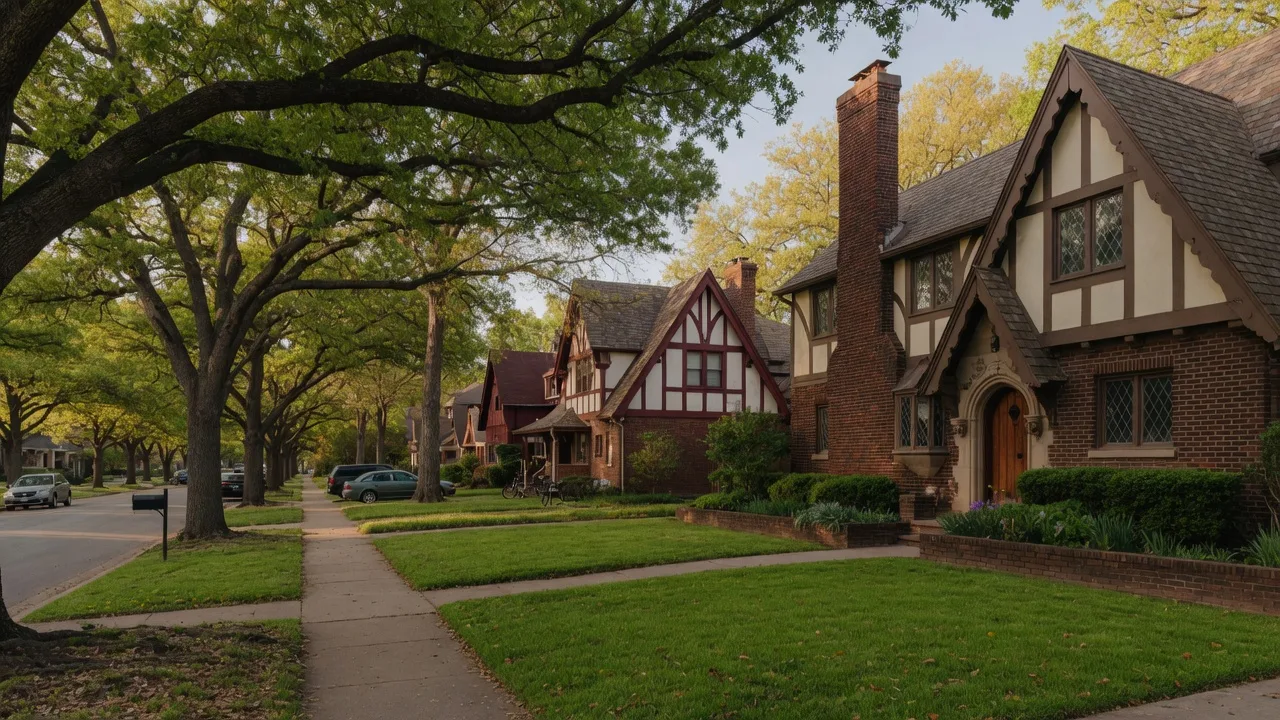
The M Streets is one of those East Dallas neighborhoods that buyers discover and immediately want to know more about. The name comes from the streets themselves: McCommas Boulevard, Mercedes Avenue, Morningside Avenue, Monticello Avenue, and Merimac Street. Drive through on any given day and you will see Tudor Revival homes with steep gables, mature oaks shading the sidewalks, and a neighborhood that feels distinctly different from the rest of the city around it.
I have been working in East Dallas since 2000, and the M Streets has always been one of the neighborhoods that draws the most interest from buyers who want character, walkability, and proximity to the urban core. It is not as well-known as Lakewood or Lower Greenville to someone from outside Dallas, but that is part of its appeal. Here is what buyers should know before they start looking.
Where the M Streets Sits and What Bounds It
The M Streets is roughly three miles north of downtown Dallas. The neighborhood is bounded by Central Expressway (US 75) on the west, Mockingbird Lane on the north, Greenville Avenue on the east, and Vanderbilt Avenue on the south.
That location is one of the neighborhood's strongest assets. You are two blocks from Lower Greenville's restaurant and bar corridor. White Rock Lake is a five-minute drive east. Downtown Dallas is a ten-minute drive south on 75. Love Field Airport is about fifteen minutes west. For buyers who want an established residential feel without sacrificing access to the rest of the city, the positioning is hard to beat.
The neighborhood is officially known as Greenland Hills and encompasses three historic subdivisions: Greenland Hills, Glencoe Park, and Vickery Place. Each has its own character, but they share the same architectural DNA and the same tree-lined streets that give the area its identity.
Tudor Revival Architecture: What You Will Find
The M Streets was developed primarily during the 1920s and 1930s, and the architecture reflects that era. Tudor Revival is the dominant style, and you will see two distinct types throughout the neighborhood.
The older homes, built in the 1920s, are often called "High Tudors." They feature multiple steeply pitched gables, prominent front-facing chimneys, decorative half-timbering, and arched doorways. These are the homes that give the neighborhood its storybook character. The 1930s brought a second wave of development with "Tudor Cottages," which are smaller and more restrained but still carry the same architectural language with brick facades, cross-gabled roofs, and rounded entryways.
Beyond the Tudor homes, you will also find Craftsman bungalows, Colonial Revival houses, and a few Spanish Colonial Revival residences. The variety is one of the things that makes the neighborhood interesting. No two blocks feel exactly the same, and the architectural diversity means there is usually something for different tastes within the same general area.
The M Streets is a designated conservation district, which means there are guidelines in place to protect the neighborhood's architectural character. That is good news for buyers who want to be sure the streetscape will not change dramatically. It also means that any exterior renovations or additions need to meet the district's standards, so it is worth understanding what that means before you buy a fixer-upper.
Lower Greenville at Your Doorstep
One of the biggest advantages of living in the M Streets is the proximity to Greenville Avenue. The Lower Greenville corridor runs along the eastern edge of the neighborhood and is one of the best restaurant and entertainment strips in Dallas. It is the kind of area where you can walk from your house to dinner, a bar, or a coffee shop without getting in a car.
The dining options are extensive. Greenville Avenue Pizza Company has been serving the neighborhood for years. Hinodeya Ramen & Bar is a more recent addition that has drawn a loyal following. Sister Restaurant on Greenville serves modern American food in a setting that feels like a natural extension of the neighborhood. Bullzerk and Leela's Wine Bar round out the options for drinks and casual dining. The corridor is active without being overwhelming, and it has a genuinely local feel that sets it apart from some of the more commercialized parts of Dallas.
For everyday needs, grocery and retail options are within a short drive. The neighborhood is residential first, but the convenience of having Greenville Avenue a block or two away is something that comes up in every conversation I have with buyers considering the area.
Parks and Outdoor Space
The M Streets does not have its own large park within the neighborhood boundaries, but it sits within easy reach of some of the best outdoor spaces in East Dallas. White Rock Lake and its 9.33-mile trail system is a five-minute drive east. The Dallas Arboretum and Botanical Garden is adjacent to the lake. And for daily walks and dog outings, the neighborhood's tree-lined sidewalks and low traffic volume make it one of the more pleasant places to be on foot in the city.
What the neighborhood lacks in dedicated park space, it makes up for in pedestrian character. The streets are wide, the sidewalks are consistent, and the canopy of mature oaks and elms provides shade that makes walking comfortable even in the summer. It is the kind of neighborhood where people are outside, and that matters more to quality of life than a formal park boundary on a map.
Today's Market in the M Streets
The M Streets is a competitive market, and it has been for years. The combination of strong architecture, a conservation district, and a location that puts you close to everything East Dallas has to offer keeps demand consistently high.
Most homes in the M Streets fall in the $600,000 to $1.2 million range, depending on size, condition, and location within the neighborhood. The smaller Tudor cottages on the south end of the neighborhood tend to be more accessible, while the larger High Tudors and fully renovated homes command higher prices. Price per square foot is generally in line with the Lakewood area, though there is more variety here because the housing stock ranges from original-condition homes that need work to fully updated residences.
Inventory is typically tight. Well-priced homes in good condition often go under contract within a few weeks. For buyers, that means being ready to move when the right property comes on the market. Having financing pre-approved and a clear sense of what you are willing to spend makes a real difference. For sellers, the neighborhood's reputation does most of the work, but pricing and presentation still matter.
One thing to note: the M Streets is primarily a single-family neighborhood. If you are looking for a condo or townhome with low-maintenance living, this is probably not the right fit. That is where Uptown and Oak Lawn tend to be a better match. But if you want a historic home with character, a walkable neighborhood, and a location that keeps you connected to the rest of the city, the M Streets is worth serious consideration.
Who the M Streets Works For
The M Streets appeals to a specific type of buyer. You are someone who values architecture and is willing to live in an older home with the maintenance that comes with it. You want to be within walking distance of restaurants, bars, and daily conveniences, but you do not want to live in a high-rise or a condo. You want a neighborhood with character, community, and a sense of history.
It also works well for buyers who are familiar with East Dallas and know they want to be in this part of the city. The M Streets is not the cheapest option in East Dallas, but it is one of the most stable. Homes here hold their value, and the conservation district means the neighborhood will look essentially the same decades from now as it does today.
If you are considering the M Streets, the best first step is to spend some time walking the streets. Park at the corner of Monticello and McCommas and walk south toward Lower Greenville. Grab a coffee nearby and sit for a while. Get a feel for which section of the neighborhood fits you. Every pocket is slightly different, and the right one depends on what matters most to you. I am glad to walk through the current inventory and help you figure out where to focus.
Talk soon.