
Selling a Home in East Dallas: What Sellers Should Know
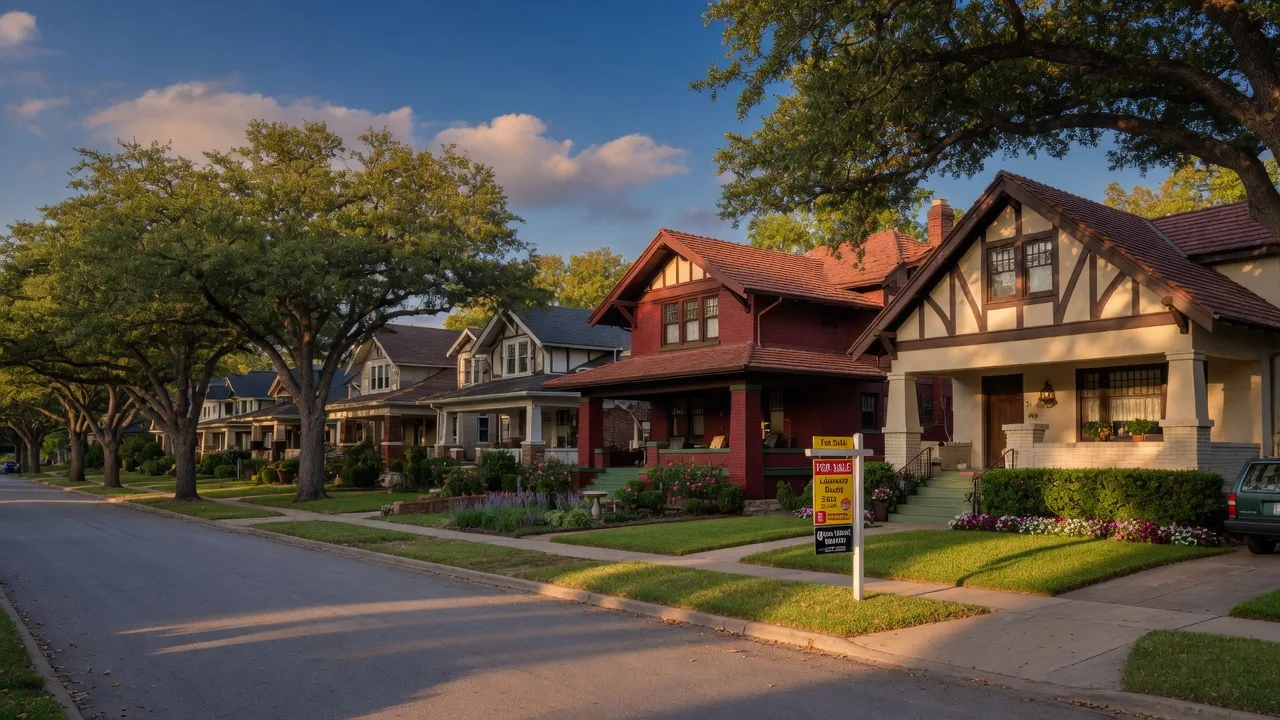
East Dallas is not one market, and that is the most important thing to understand before you list. Lakewood, the M Streets, and Old East Dallas draw different buyers, sell at different paces, and follow different rules, and the condo and townhome segment around Bryan Place and Old East Dallas behaves differently again. Selling a home here means knowing which pocket you are in, what the buyers in that pocket actually want, and which district rules are attached to your property.
I have been selling homes in East Dallas since February 2000. This guide walks through what sellers in this part of the urban core need to think about before they put a sign in the yard, from current market data to historic district paperwork and the condo specifics that catch sellers off guard.
The East Dallas Market Right Now
The overall numbers for East Dallas in late 2026 are strong. The median sale price across the neighborhood sits around $818,000, with homes going under contract in about 26 days on average, among the faster sell times in the Dallas urban core. But that headline hides a wide range, because East Dallas runs from entry-level condos in Old East Dallas to some of the most expensive single-family homes in the city in Lakewood.
Here is how the main pockets break down.
Lakewood: The Premium Market
Lakewood is the high end of East Dallas, and it behaves like it. The median sale price sits around $1.6 million, up more than 20% year over year, with price per square foot around $488. Buyers here are often relocating families and move-up buyers who value the White Rock Lake lifestyle and the school feeder pattern, and they are experienced, deliberate, and comparing properties carefully.
For sellers, that means the prep bar is high and the pricing window is narrow. Lakewood buyers can tell the difference between a home that has been maintained and updated and one that has not, and overpricing is especially costly because the buyer pool is smaller and more disciplined. A well-priced, well-presented Lakewood home can still draw multiple offers. One that misses the market can sit for months in a neighborhood where days on market are otherwise short.
The M Streets and Lower Greenville: Character and Demand
The M Streets remain one of the most stable markets in East Dallas, with a median sale price around $865,000 and homes selling in roughly three weeks. The draw is the 1920s Tudor Revival and Craftsman housing stock, the tree-lined blocks, and a location that puts Lower Greenville dining and White Rock Lake within minutes.
The Lower Greenville corridor has seen some of the most dramatic appreciation in East Dallas, with a median around $893,000. What buyers there respond to is a home that honors the original character while offering an updated kitchen and baths. Original details are an asset, not a liability, in this pocket, as long as they are in working order.
Old East Dallas and Bryan Place: The Condo and Townhome Segment
If your property is a condo or townhome in Old East Dallas or Bryan Place, the selling playbook is different from the single-family historic market, and closer to what I described in my condo and townhome selling guide.
Bryan Place, the planned 1980s community on the east edge of downtown, is a genuine condo and townhome hub. Recent data shows around 59 condos listed there at a median listing price near $527,000 and about 30 townhomes at a median near $532,000, with asking prices ranging from roughly $230,000 to $800,000. Old East Dallas more broadly has historically been the most affordable entry into the urban core, with a median around $535,000, and it is the slowest-moving pocket, averaging closer to 68 days on market.
What sells a condo or townhome in this segment is the same set of things that sells one anywhere in the urban core: a building with healthy reserves, clean HOA standing, and no special assessment hanging over the buyer, plus a unit that is priced against real comparable sales in the same building. If the building has a financing limitation or a weak reserve study, we deal with it before we list, not when a buyer's lender discovers it at the inspection.
Know Which District Your Property Is In
East Dallas is where the difference between a historic district and a conservation district matters most, and it is the step sellers most often overlook.
A historic, or landmark, district such as Swiss Avenue, Junius Heights, or Munger Place is the most restrictive. Exterior alterations, additions, some materials, and demolition require formal approval through the city's Landmark Commission, and work is judged for historical accuracy and architectural compatibility. Junius Heights, for example, requires approval for exterior changes, makes demolition rare, and comes with tax incentives and rehabilitation guidance for owners who follow the rules.
A conservation district, such as the M Streets, is a lighter overlay that protects the streetscape character while letting homes evolve. It typically regulates setbacks, building placement, height, scale, rooflines, materials, and things like fences, porches, and window and roof replacements when the work is visible from the street.
Before you list, confirm whether your property is inside a district boundary on the official city maps, get a copy of the district's design guidelines, and know the status of any exterior work you have done. Unapproved or undisclosed work is one of the fastest ways to turn a buyer into an objection, because the buyer's inspector and title work will surface it, and a buyer in a historic district is often planning their own renovation with the same rules in mind. Know your property's overlay before the listing goes live, and you can market it as an asset instead of discovering it as a problem.
Pricing and Preparation That Match the Pocket
The biggest mistake I see in East Dallas is pricing a home as if the whole neighborhood moved together. It did not. A three-bedroom bungalow in Old East Dallas, a Tudor Revival in the M Streets, and a lake-adjacent home in Lakewood are different products with different buyer pools, and they need different pricing and different preparation.
Preparation should match the pocket too. In Lakewood and the M Streets, buyers are paying for character plus condition, so refreshed kitchens and baths, original details kept in working order, and professional photography earn their money. In Old East Dallas and the condo segment, condition and price per square foot carry more weight than period detail, and a clean, well-maintained unit priced honestly sells to the first-time and investor buyers who dominate that pool.
Professional photography and a 3D tour are not optional extras in East Dallas in 2026. Buyers tour online first, and the homes that draw showings are the ones that present well in the first ten photos. That is the highest-leverage money you will spend in any pocket of this neighborhood.
The Timeline and What to Expect
Expect the sale to take about three months from the decision to list through closing, though the marketing window varies by pocket. Allow one to three weeks for preparation, then plan for the market: roughly 26 days on average across East Dallas, faster in the M Streets and Lakewood when priced right, longer in Old East Dallas and the condo segment where inventory is heavier.
From an accepted offer, a financed buyer generally needs 30 to 35 days to close. If you are selling a condo or townhome, the building's paperwork runs on its own clock, so we order the resale certificate and start the HOA documents the moment a contract is signed. Texas law caps the resale certificate fee at $375 and gives the association ten business days to deliver it, and we never want to be waiting on the HOA at the end of a closing.
Is It a Good Time to Sell?
East Dallas in late 2026 is a healthy, fast-moving market with strong demand for well-priced, well-presented homes. The neighborhood's variety is its strength: there is a buyer for a first-time condo in Old East Dallas and a buyer for a lake-adjacent house in Lakewood, and both pools are active. The sellers who do well are the ones who understand which pocket they are in, price against real comps rather than what the neighborhood was worth in 2022, and handle their district paperwork before the listing goes live.
Working With Someone Who Knows East Dallas
East Dallas rewards an agent who knows the pockets and the rules. I have been selling homes here since 2000, from Lakewood to the M Streets to the condos and townhomes of Old East Dallas and Bryan Place, and I know which district overlays apply, which buildings finance cleanly, and what each pocket's buyers are actually looking for.
If you are thinking about selling a home in East Dallas, I would be glad to walk you through what your property is worth and what the process looks like from start to finish. Get in touch, or review the full selling guide for more on my approach. If you are weighing the timing, the East Dallas market update has the current data.
Talk soon!