
Selling a Condo in Uptown Dallas: What Sellers Should Know
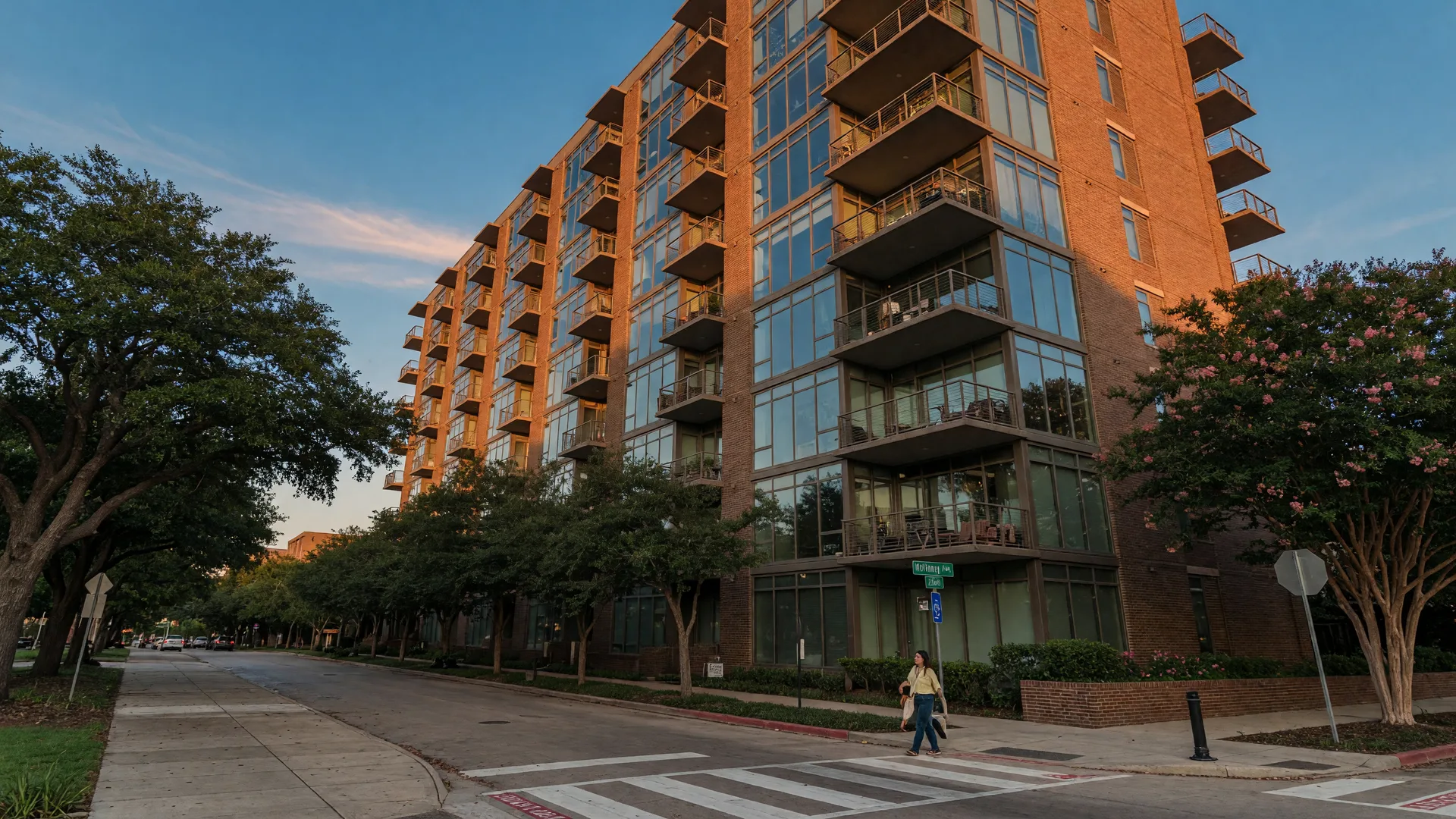
Selling a condo in Uptown Dallas is not the same as selling a house. The buyer pool is different, the HOA is a central part of the story, and the financing rules changed in a way that matters for 2026. This guide walks through what Uptown condo sellers should know before they list, from current market data to the documents that will make or break your closing.
I have been selling condos and townhomes in Uptown since February 2000. I know the buildings, the buyer pool, and the specific steps that separate a smooth closing from one that drags. Here is what I would tell any seller before they put their unit on the market.
The Uptown Condo Market in 2026
Uptown is the most walkable neighborhood in the Dallas urban core, and that lifestyle is exactly what its condos sell. The 2026 market is a balanced one, with more inventory and more time to compare than sellers saw in 2022 and 2023.
As of mid-2026 there were roughly 43 to 50 condos actively listed in Uptown, priced from around $245,000 up to several million for the top of the market. Median list prices land in the $479,000 range, with a one-bedroom condo closer to $339,500. Condos are spending about 58 to 69 days on market on average, which is a meaningful shift from the fast, multiple-offer environment of a few years ago. Buyers now have choices, and they are taking their time.
For sellers, the practical takeaway is straightforward: the Uptown condo market is no longer one where almost anything sells quickly at almost any price. It is a market where a well-priced, well-prepared unit still sells, and a unit that skips the preparation work sits. Those two outcomes are the difference between a good result and a disappointing one.
What Uptown Condo Buyers Are Looking For
The typical Uptown condo buyer is relocating from out of state or moving from another part of Dallas, and they want a lock-and-leave lifestyle that puts them close to the city. They are rarely looking to do work. Here is what they weigh most heavily.
Condition and updates. Uptown buyers are comparing units, and they can see the difference between a kitchen and baths that have been updated and one that still reflects 2005. Updated flooring, modern kitchen finishes, and clean, functioning systems matter. A unit that is move-in ready sells faster and at a better price than one that reads as a project.
The view and the light. In a high-rise market, orientation is value. A unit with natural light and a view out toward downtown or Turtle Creek commands a premium over a comparable unit that faces a wall or another building. This is one of the few things you cannot change about your unit, so pricing has to reflect it honestly.
Walkability in the listing. Buyers moving to Uptown are choosing it for the lifestyle: the Katy Trail, the McKinney Avenue Trolley, restaurants and grocery within walking distance. Your listing should spell that out. It is not padding. It is the reason the buyer is there in the first place.
Clean HOA standing. More than anything else in 2026, Uptown buyers and their lenders want to know the building is financially healthy. That comes down to the HOA documents, which we cover next.
The HOA Is Part of Your Marketing Story
In a single-family sale, the HOA is a footnote. In an Uptown condo sale, it is a central part of the buyer's due diligence, and it directly affects how long your unit sits on the market.
When a buyer makes an offer on your condo, their lender will review the building's finances, not just your unit. Under Texas law the association must deliver a resale certificate within ten business days of a request, and the fee for that certificate is capped at $375. The packet includes the governing documents, the budget, reserve study details, any outstanding assessments, and a summary of pending litigation.
The reason this matters so much right now is that Fannie Mae's fuller condo project review took effect in August 2026. Lenders buying loans under Fannie Mae rules are looking more closely at a building's financial health, reserves, and owner-occupancy ratios before they approve a condo loan. That added review can stretch your closing timeline by two to four weeks compared with a single-family sale.
What this means for you as a seller: order the resale certificate early and have it ready. A building with healthy reserves and no pending special assessment or litigation is a building whose units are easy to finance, and easy to finance means easier to sell. If you know your building has issues, addressing them up front with your agent beats discovering them at the buyer's inspection, when you have the least leverage.
Know Your Building's Financing Eligibility
Not every condo building in Uptown qualifies for conventional financing, and this is one of the first questions I ask before we list a unit. If a building is not FHA-approved, or if it does not meet Fannie Mae's owner-occupancy or financial requirements, your pool of eligible buyers shrinks dramatically. Cash buyers and portfolio lenders can still purchase, but they are fewer in number.
If your building has a known financing limitation, we price and market the unit with that reality in mind rather than discovering it late in the process. Knowing the building's status up front saves everyone weeks and avoids the worst-case scenario: a contract falling apart because the buyer cannot get a loan on the building.
Preparing Your Unit to Sell
In Uptown, the preparation list is shorter than a North Oak Cliff historic home, but it is still real.
- Declutter and edit. Uptown units are often compact, so buyers are sensitive to how space feels. Removing excess furniture and personal items makes rooms read larger and helps buyers picture their own life there.
- Fresh paint and clean surfaces. A neutral, freshly painted unit photographs well. Pay attention to the kitchen and baths, which get the most scrutiny, and to flooring that shows wear.
- Deep clean and minor repairs. Fix the things a buyer's inspector will flag anyway: dripping fixtures, a cracked tile, a door that does not close smoothly. These are cheap to address and give the buyer one less reason to ask for a credit.
- Professional media. In a high-rise, professional photography, video, and a 3D tour are not optional extras. They are the listing. Basic professional packages run a few hundred dollars, and a premium bundle with video and 3D runs up to around $1,200. In a market where buyers tour online first, this is the highest-leverage money you will spend.
Pricing an Uptown Condo
Pricing a condo comes down to comparable sales in your specific building and nearby buildings, adjusted for the two variables that matter most in a high-rise: condition and view.
A renovated unit with a good view and a clean HOA will command a premium over a dated unit facing another building in the same complex. That is not opinion; it is what the data shows across Uptown sales. I run comps building by building, and I show sellers exactly where the number comes from and why it is defensible to the buyer's agent.
The most common pricing mistake in this market is anchoring on what the neighborhood was worth in 2022 or 2023. That urgency is gone. An overpriced Uptown condo generates fewer showings, longer days on market, and eventually a price reduction that leaves you in a weaker position than if you had priced correctly on day one. Units that list within a few percent of market value from the start sell faster and closer to asking.
Seller Closing Costs in Uptown Dallas
Texas has no transfer tax, which keeps things lower than many states, but selling an Uptown condo still carries real costs. Plan for roughly 6% to 8% of the sale price in total seller costs.
- Agent commissions. The largest line item. Dallas-area commissions typically run about 5.7% to 5.9% combined between the listing and buyer's agent fees.
- Owner's title policy. The seller typically pays for the policy that protects the buyer against title defects. At Texas state-set rates this runs roughly $2,800 to $4,200 depending on sale price.
- Title, escrow, and recording fees. A few hundred to a few thousand dollars depending on the transaction.
- Prorated property taxes. You owe a prorated share of the year's tax bill up to closing day, and Texas property taxes are among the highest in the country.
- HOA transfer and resale certificate fees. Confirm the exact amount with your association; the resale certificate itself is capped at $375.
I walk every seller through a detailed net sheet before we set a list price, so the number you are comparing to offers is the number you actually keep, not the gross price on the contract.
The Timeline: What to Expect
Selling an Uptown condo typically takes about three months from the decision to sell through closing.
Allow one to three weeks for preparation: decluttering, painting, repairs, and professional media. Then plan for 58 to 69 days on market in the current environment, though a well-priced, well-prepared unit in a healthy building often does better. From an accepted offer, a financed buyer generally needs 30 to 35 days to close, and with Fannie Mae's fuller condo review in place, that window can run longer. I order the resale certificate and start the building paperwork the moment a contract is signed, so we are never waiting on the HOA at the end.
Is It a Good Time to Sell?
The Uptown condo market in mid-2026 is balanced. Inventory is healthier than it was a few years ago, which means buyers have options, but it also means prepared, well-priced units still stand out. Condos remain the dominant property type in Uptown, and the neighborhood keeps drawing relocating buyers who want walkable urban living.
The sellers who do well in this market are the ones who treat the HOA story as part of the product, price on data rather than hope, and prepare the unit to compete. The ones who list a dated unit in a building with known financing issues and hope for the best are the ones who watch their unit sit.
Working With Someone Who Knows Uptown Condos
Uptown is a condo and townhome market, and it rewards an agent who knows the buildings, the buyer pool, and the financing rules that shape the sale. I have been selling condos in Uptown since 2000, and I have seen the good closings and the ones that fall apart, usually over something that could have been handled on day one.
If you are thinking about selling a condo in Uptown Dallas, I would be glad to walk you through what your unit is worth and what the process looks like from start to finish. Get in touch, or review the full selling guide for more on my approach. And if you are weighing the timing, the Uptown condo market update has the current data.
Talk soon.