
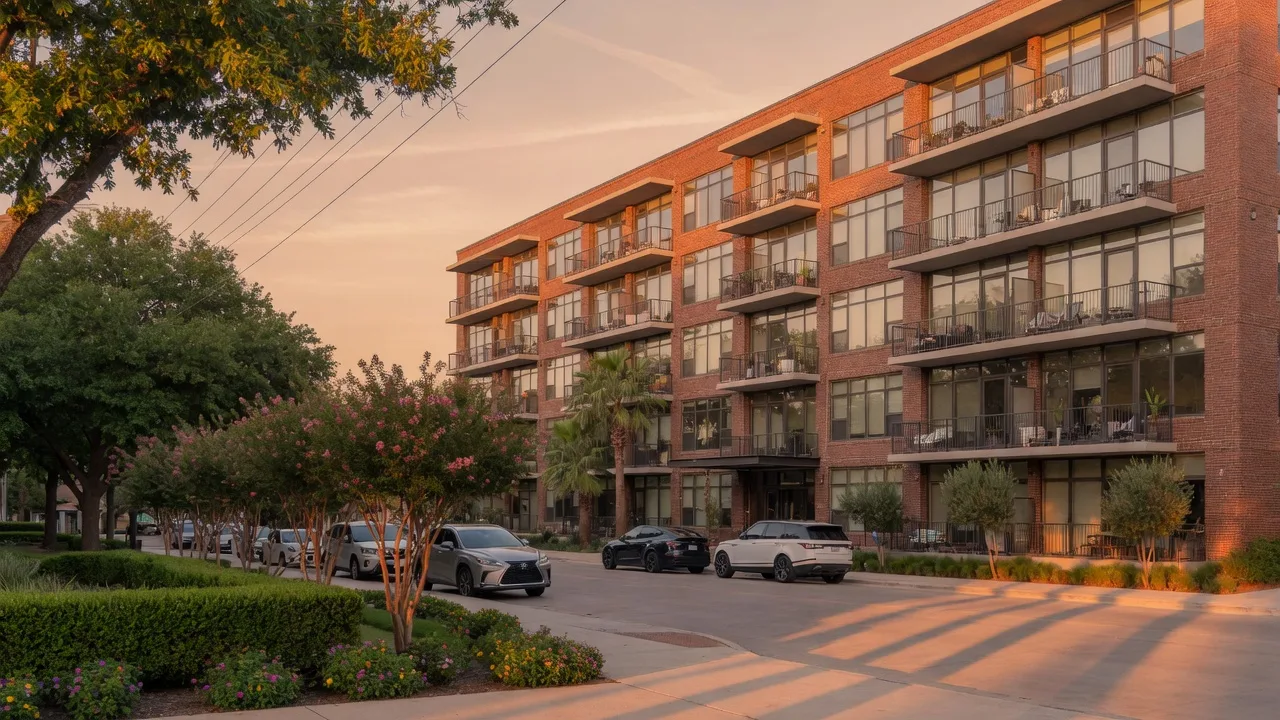
Special Assessments on Dallas Condos and Townhomes: What Buyers and Sellers Should Know
Special assessments are one of those things that never comes up in a casual conversation about buying a condo. But they should. A special assessment is a one-time charge levied by the HOA when the reserve fund is not enough to cover a major repair or improvement. And when they hit, they can range from a few thousand dollars to tens of thousands per unit, depending on the building and the scope of the work.
I have seen buyers fall in love with a unit, make an offer, and only discover during the HOA document review that the building is about to levy a six-figure special assessment for a roof replacement or parking garage repair. That discovery almost always changes the math on the deal. The goal of this post is to make sure you know what you are looking for before you get to that point.
What Is a Special Assessment, Exactly?
An HOA collects monthly fees from every owner. A portion of that money goes into a reserve fund, which is supposed to cover future capital expenses like roof replacements, elevator modernizations, siding repairs, and parking garage structural work. When the reserve fund is short of what is needed, the HOA board has two choices: delay the work (which can lead to bigger problems later) or levy a special assessment to make up the difference.
A special assessment is a mandatory charge. Every owner in the building pays it, usually in a lump sum or over a set payment schedule. It is separate from your monthly HOA fee and is not optional.
Why Do Special Assessments Happen?
The most common reasons in Dallas urban core buildings are:
- Roof replacement. Flat roofs on mid-rise and high-rise buildings are expensive to replace, and the costs can run into the millions for a large building.
- Elevator modernization. Elevators have a lifespan of about 20 to 25 years. Replacing or modernizing them in a high-rise can cost several hundred thousand dollars.
- Parking garage repairs. Concrete deterioration in parking structures is a common issue in older buildings. Repairs are structural and expensive.
- Exterior siding or window replacements. Weather exposure takes a toll over time, and large-scale replacements spread the cost across every unit.
- Insurance premium increases. When the building's master insurance premium rises significantly, some HOAs pass part of the increase through a special assessment rather than raising monthly fees permanently.
- Unexpected code or safety upgrades. City-mandated improvements like fire sprinkler retrofits or balcony safety inspections can trigger unplanned expenses.
In buildings along the Turtle Creek corridor and in Uptown, several older high-rises have gone through major capital projects over the last decade. The buildings that planned ahead had reserve funds ready. The ones that did not levied assessments, sometimes anywhere from $5,000 to more than $10,000 per unit.
How to Spot a Building at Risk for a Special Assessment
The documents tell the story. Here is what I look at with every client:
- The reserve fund study. This is the single most important document. It shows how much money the HOA has set aside for future repairs versus how much it should have. A well-funded reserve is at 70% or above. Below 50%, the probability of a special assessment in the next few years is significant.
- The annual budget. Does the HOA spend more than it collects every year? A budget that relies on transfers from reserves to cover operating expenses is a warning sign.
- The meeting minutes. If the board has discussed large capital projects, deferred maintenance, or bids from contractors, those conversations show up in the minutes.
- The property condition. Walk the property. Is the parking garage spalling? Are there visible water stains on common area ceilings? Is the landscaping neglected? Deferred maintenance always catches up eventually.
What Buyers Should Do Before Making an Offer
If you are looking at condos or townhomes in Uptown, Oak Lawn, East Dallas, or North Oak Cliff, here is a practical checklist:
- Ask for the resale certificate early. Do not wait until you are under contract. Many sellers' agents will provide it when you show genuine interest. The resale certificate includes the reserve study, budget, and any pending assessments.
- Look at the reserve funding percentage. Anything below 50% should trigger a deeper conversation. Below 30% is a serious red flag.
- Ask about recent assessments. If the building hit owners with a special assessment two years ago and the reserve is still low, there may be another one coming.
- Factor the risk into your offer. If you are looking at a building with a low reserve, you are not necessarily walking away. But you should account for the possibility of a future assessment when you decide what the unit is worth to you.
What Sellers Should Know
If you are selling a condo or townhome, you are required to disclose any pending or recent special assessments. Texas law requires sellers to provide the HOA resale certificate to the buyer, which includes this information. But beyond the legal requirement, being upfront about the financial health of the building is the smart move. Buyers who are informed from the start are buyers who close. The ones who discover surprise assessments in the fine print often walk.
The most important thing for both buyers and sellers is a straightforward understanding of what the building's finances look like. That is exactly where I come in. I review these documents with every client, and I make sure nobody is surprised after closing.
Have questions about special assessments or reviewing HOA documents? Let's talk.
Talk soon.