
How to Vet an HOA Before Buying a Condo or Townhome in Uptown, Oak Lawn, East Dallas, or North Oak Cliff
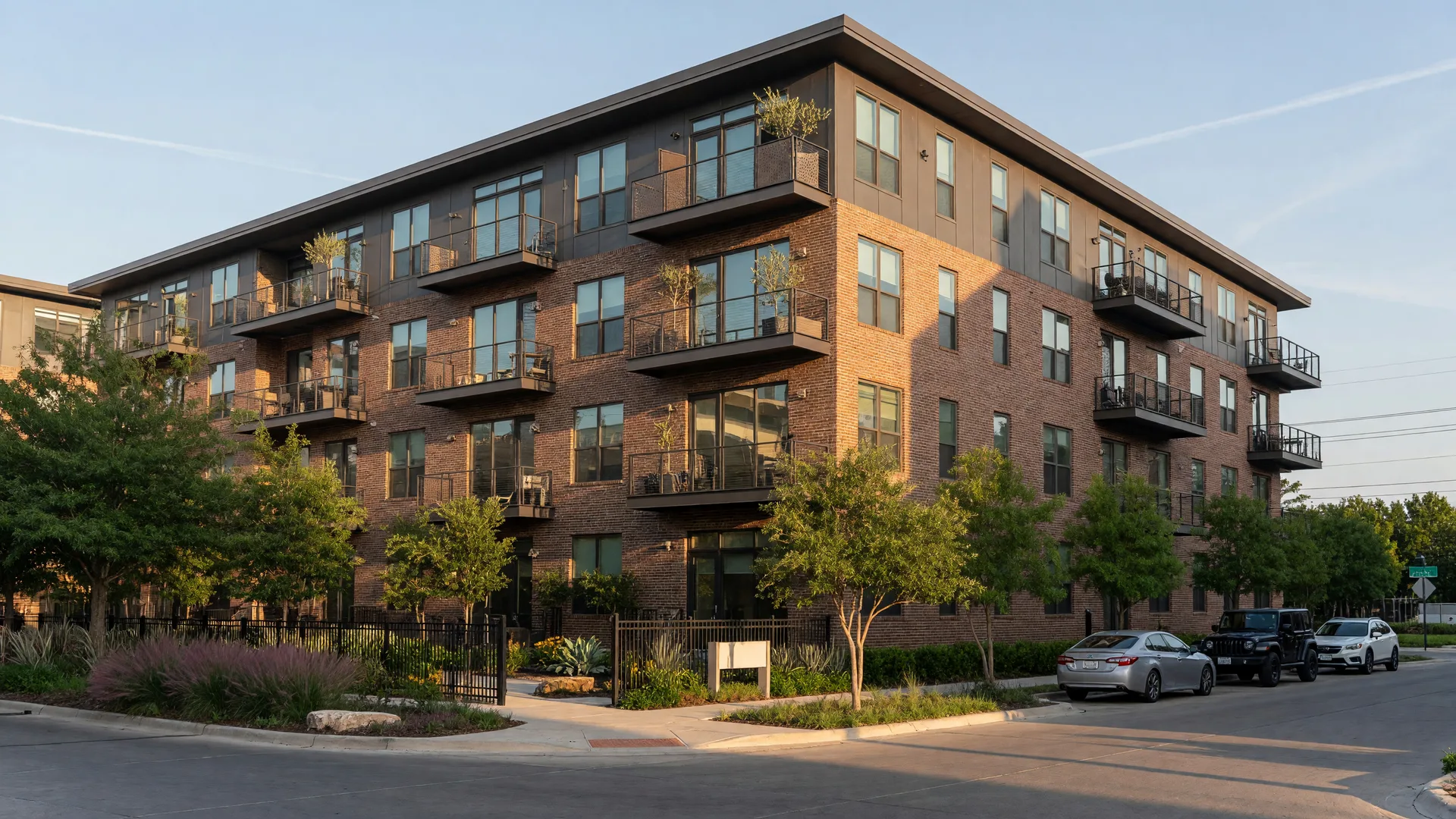
When you buy a condo or townhome in the Dallas urban core, you are buying into an association as much as you are buying a unit. The monthly HOA fee is one number, and it is easy to fixate on it. Whether the association is actually well managed is the rest of the story, and it affects everything from your monthly costs to how easy the property is to sell later. Here is how I vet an HOA with buyers in Uptown, Oak Lawn, East Dallas, and North Oak Cliff.
Most of my clients come in with two things figured out: the neighborhood they want and a budget they have to work within. The HOA is where that budget meets reality. Across these neighborhoods, HOA fees typically run from a few hundred dollars to more than $1,000 a month, depending on the building and what is included. The difference between a well-run association and a struggling one shows up later, in assessments, deferred maintenance, and financing problems. My job is to make sure you understand the true cost of a property before you fall in love with a number that does not tell the whole story.
Why a Well-Managed HOA Matters as Much as the Unit
Think of the association as a small business you are partly buying. Its income is the monthly fees. Its expenses are insurance, maintenance, utilities, management, and repairs. Its savings account is the reserve fund. If that business is run well, you get a building that is maintained, insured, and easy to finance. If it is run poorly, you inherit the bills.
This is true across every property type in the urban core: the high-rise condos in Uptown, the townhome communities along Oak Lawn Avenue and Cedar Springs Road, the condo conversions in East Dallas, and the newer townhome developments in North Oak Cliff. And in 2026, lenders are reading the same documents you should be. Fannie Mae's fuller condo project review, which took effect in August, looks more closely at a building's financial health, reserves, and owner-occupancy before approving a loan. A building that does not pass that review shrinks your buyer pool the day you decide to sell.
Start With the Reserve Study
The reserve study is the single most informative document in an association's file. A professional reserve specialist studies the building's major components, roofs, elevators, parking garages, siding, windows, and estimates what each will cost to replace and when. The study then tells the board how much the association should be setting aside every year so the money is there when the work is due.
The number that matters is the percent funded: the association's actual reserve balance divided by what the study says is needed today. The industry benchmarks are straightforward. At 70 percent or above, the association is well funded and should handle planned projects without hitting owners for extra money. Between 30 and 70 percent, there is a gap that should be closed over time. Below 30 percent is a red flag, because the odds of a special assessment or seriously deferred maintenance go up quickly. I covered what those assessments look like and how to spot them in more detail in a separate post on special assessments for Dallas condos and townhomes.
Read the Budget and the Balance Sheet
A healthy association collects more than it spends every year and puts the difference into reserves. Look at the annual budget with that in mind. A budget that relies on transfers from reserves to cover ordinary operating expenses is a warning sign, because it means the savings account is quietly paying for day-to-day life. Lenders generally want to see at least 10 percent of the operating budget going into reserves each year, and it is a useful rule of thumb for owners too.
Texas law makes this easier to check than many buyers realize. On a condo sale, the resale certificate includes the association's current operating budget and balance sheet, so you are not taking anyone's word for the financials. The numbers are part of the packet. If you want the full picture of what that document contains and why it matters, my plain-English guide to the resale certificate walks through it line by line.
Check Delinquency and Owner-Occupancy
Two ratios tell you a lot about the day-to-day health of an association, and both are ones lenders scrutinize. The first is delinquency: how many owners are behind on their fees. Owners who do not pay still get the common areas maintained, so the association either absorbs the shortfall or trims expenses. When a significant share of owners are more than 30 days behind, cash flow suffers, and lenders notice. The second is owner-occupancy: how many units are lived in by their owners versus rented out by investors. A building where investors dominate tends to make decisions that minimize cost, and it is harder to finance.
This is one of the first things I check for condo buyers in Uptown, where some buildings have investor-heavy ratios that limit the buyer pool. I wrote more about whether you can get a regular mortgage on a Dallas condo, because building eligibility is one of the least understood parts of buying in this market.
Skim the Meeting Minutes
The minutes of the board's meetings show what the association is actually dealing with, and they are almost always more honest than the marketing materials. Repeated conversations about a roof that needs replacing, bids from contractors, deferred maintenance, or insurance claims are exactly the things you want to know about before you buy, not after. If the board has been discussing a large capital project for two years and the reserve fund is thin, that is a future assessment taking shape in real time.
Ask About Insurance
In Dallas, wind and hail are the big exposures, and the master policy is a major line item in every association's budget. A well-run association carries adequate limits and does not shop on price alone. Ask how much the premium has risen over the last few years and whether the policy covers the full replacement cost of the building. Premium increases across Texas have been steep enough that some associations respond by raising fees, and some quietly underinsure to keep the number low. The second one is the trap, because it shows up all at once after a storm.
The Resale Certificate Is the Whole Story in One Packet
Texas law gives you a built-in due diligence tool. Under the Property Code, the association must deliver the resale certificate within ten business days of a written request, and the fee for the initial packet is capped at $375. The packet includes the governing documents, the budget, reserve study details, any outstanding or pending special assessments, and a summary of pending litigation. If a building is well managed, the certificate shows it. If it is not, the certificate shows that too.
Do not wait until you are under contract to ask for it. Many sellers' agents will provide the packet when you show genuine interest, and reviewing it before you write an offer tells you which buildings deserve your time at all. During the option period you have a formal window to review everything, but the earlier you see the documents, the more leverage you have.
Questions to Ask Before You Make an Offer
Here is the practical checklist I walk through with every buyer of a Dallas condo or townhome:
- When was the last reserve study, and what is the building's percent funded? Anything under 50 percent should trigger a deeper conversation, and under 30 percent is a serious red flag.
- Has the building levied a special assessment in the last five years? One recent assessment can be bad luck. Two, with reserves still low, is a pattern.
- What does delinquency look like? Ask how many owners are behind on fees and by how much.
- What is the owner-occupancy ratio, and does the building qualify for conventional or FHA financing? This determines your buyer pool today and your resale pool tomorrow.
- How much has the master insurance premium risen, and are the limits adequate? Big increases tend to show up as fee hikes or underinsurance.
- Are there any lawsuits involving the association? Pending litigation appears in the resale certificate and can scare off lenders.
- What do the last several meeting minutes show about planned work? Deferred maintenance always catches up, and you want to know about it before you own it.
A Well-Managed HOA Protects Your Exit
This is where my exit strategy thinking comes in. Most buyers fall in love with the unit and forget that someday they will sell it, and the pool of buyers for your resale is built by the building's health. A building with healthy reserves, reasonable fees, and clean financing eligibility has a deep buyer pool. A building with a looming assessment and financing problems has a shallow one, and that discount shows up in the price you can get years from now. That is a question most buyers never think to ask, and it is one I am always asking on their behalf.
If you are looking at condos or townhomes in Uptown, Oak Lawn, East Dallas, or North Oak Cliff and you want help reviewing an association's documents, that is exactly what I do. I walk every client through the HOA packet before they make an offer, and I would be glad to do the same for you. Get in touch, or start with the buying guide for an overview of the process. And if you want the basics on where your fee dollars go, what an HOA fee actually covers is a good place to begin.
Talk soon!