
Living in Knox-Henderson: Condos and Townhomes Between Uptown and East Dallas
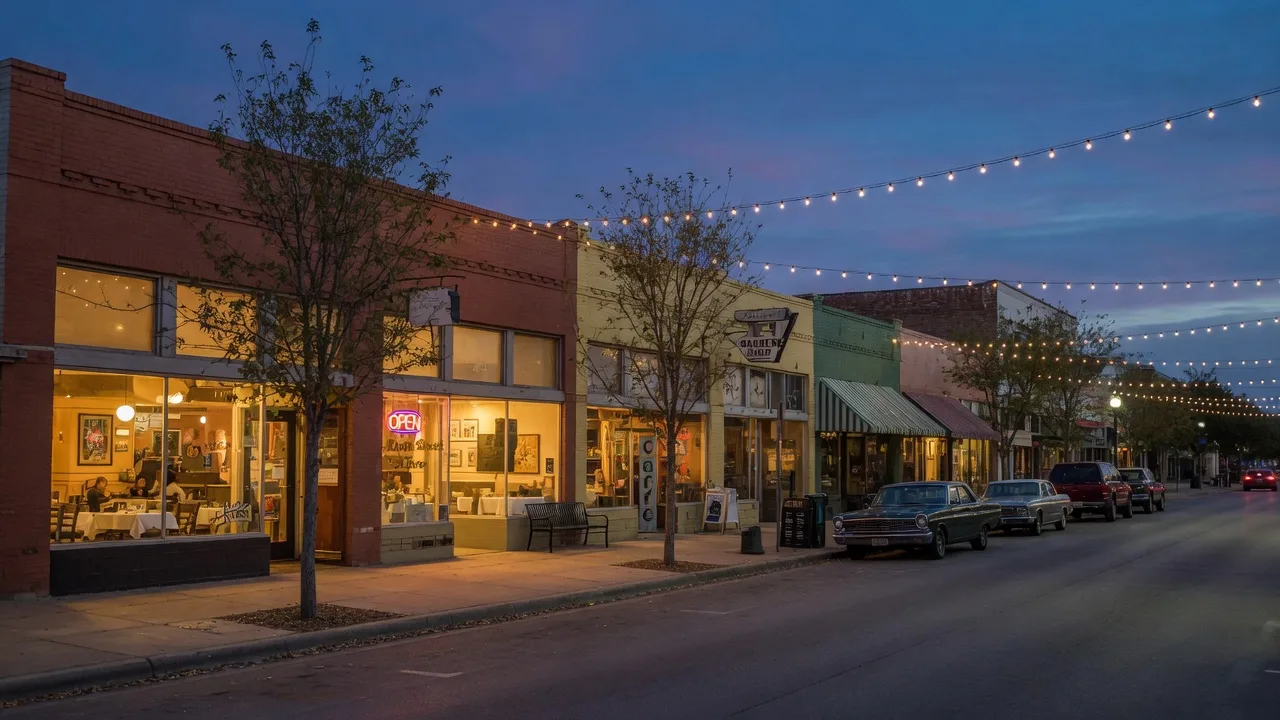
Knox-Henderson is the corridor where Uptown, Oak Lawn, and East Dallas come together, roughly three miles north of downtown Dallas, with the Katy Trail running through its middle. Condos near Knox Street, townhomes off Henderson Avenue, and single-family houses on the side streets all compete for the same buyers, which makes it one of the most interesting pockets in the Dallas urban core for anyone shopping condos and townhomes.
I have worked these neighborhoods since February 2000, and Knox-Henderson is where I send buyers who want everything Uptown offers but want it a little closer to the trail and a little less high-rise. It also surprises out-of-town buyers most, because the walkability and the mix of housing are hard to picture from a map. Here is what you should know before you start looking at Knox Henderson real estate.
Where Knox-Henderson Sits
The district anchors where Knox Street, Henderson Avenue, McKinney Avenue, and Cole Avenue come together, with the Katy Trail curving through the middle. Most neighborhood maps put the bounds at Fitzhugh Avenue on the north, Blackburn Street on the south, US 75 (North Central Expressway) on the east, and roughly McKinney Avenue and the Highland Park border on the west, though you will see small variations from one real estate site to the next. Knox Street itself runs only about four blocks west from Central Expressway, which tells you how compact the commercial core is. Much of the area falls in the 75205 ZIP code.
Location is the whole argument for this pocket. You are north of Uptown and downtown, east of Highland Park, and a few minutes from the M Streets and the rest of East Dallas across the highway. Downtown is about three miles away, which means a commute on foot or by bike along the trail is genuinely practical. For buyers who want the urban core without committing to a high-rise lobby, there is no more central low-rise neighborhood in the city.
From the Katy Railroad to the Knox Street District
The neighborhood was open ranchland with creeks and natural hardwoods until the Missouri-Kansas-Texas Railroad, the "Katy," arrived in the 1880s. Its depot used to stand near what is now the trail, and the rail line turned the area into a transportation and commercial hub. Knox Street is named for the family of landowners who shaped the district in the early 1900s, and for generations one of its anchors was the Highland Park Soda Fountain, originally the Queen Anne Pharmacy on Knox.
Like most of Dallas's pre-war commercial streets, Knox and Henderson went through a long stretch of decline as the suburbs pulled shoppers away. Developers in the 1990s and early 2000s revived the neglected storefronts, and that turnaround is what created the district you see now: a walkable strip of independent restaurants, boutiques, and markets on both streets, with the residential blocks behind them. The current development along Knox is the strongest signal of how far the neighborhood has come.
The Housing Stock: Condos, Townhomes, and Everything Between
Knox-Henderson is a true mix, and that is its strength. You will find pre-war frame houses on streets like Sale and Abbott, brick low-rise apartments from the 1960s, mid-rise condo buildings along Knox and McKinney, and townhomes built after 2000 tucked onto the side streets. Buyers who assume Dallas urban core real estate means one property type tend to be wrong here: the corridor delivers condos, townhomes, and single-family houses within a few blocks of each other.
The mix is also what separates Knox-Henderson from Uptown proper. Uptown Dallas condos mostly mean high-rise living. Here, the product is lower and closer to the street: a one-bedroom condo in a mid-rise building near Knox, a three-bedroom townhome off Henderson, or a renovated frame house on a quiet block. The walkability holds up at every price point, and the variety of buildings means a wider range of budgets can find a fit.
The newest chapter is the mixed-use project rising on Knox Street, a 27-story tower with retail, office space, apartments, and close to 50 condominiums, with the first units slated to arrive around the end of 2026. Whatever you think of the density, the fact that it is being built tells buyers something real about where this corridor sits in the market. It will also reset the top of the neighborhood's price range, which matters if you are selling nearby.
The Katy Trail Runs Right Through It
The Katy Trail is the backbone of daily life in Knox-Henderson. Built on the old Katy railroad bed, the main trail runs about 3.5 miles and connects Mockingbird at the north end through Highland Park, Uptown, and the West End, with the new East Dallas connections reaching toward White Rock Lake. There is a well-used entrance at the corner of Knox and Abbott with trailhead parking, which makes it easy to start a run or a ride right from your front door.
For buyers the trail is often the deciding factor. It is the closest thing the Dallas urban core has to a private backyard for people whose "yard" is a balcony. I write more about how the recent East Dallas connections changed the commute math in my piece on the Katy Trail through Uptown and East Dallas, but the short version for Knox-Henderson buyers is simple: you can be on the trail in under five minutes from most listings here.

Daily Life: Coffee, Groceries, and Dinner Without a Car
The walkability here is real in daily use. Morning coffee is a short walk to Houndstooth Coffee at 1900 North Henderson, and BERKLEY's Market at 3300 Knox Street doubles as a coffee stop and the neighborhood pantry for staples. For real grocery runs, Trader Joe's on Cole Avenue sits right in the district, and Central Market at Lovers Lane is a short drive north for the big weekly shop.
Dinner options run the length of both streets. On Henderson, Louie's at 1839 is the neighborhood mainstay, Gemma at 2323 is the special-occasion place, Smithy at 2927 covers steaks and cocktails, and Taqueria La Ventana at 3012 handles the casual taco run. On Knox, Toulouse at 3314 and Mister Charles at 3219 anchor the sit-down end, with RH's rooftop restaurant at 3133 drawing the weekend crowd. The Knox Street district site keeps a current directory of the shops and restaurants if you want the full list.
The practical point for buyers is that a Knox-Henderson household can keep the car parked most of the week. That is a big deal in Dallas, and it is a big deal when you resell. Neighborhoods where errands are walkable consistently hold their value better than pockets where every trip means driving.
What the Market Looks Like at the End of 2026
The current picture is best read in two parts. On the listing side, Redfin's Knox-Henderson data in late 2026 shows roughly 19 condos for sale with a median list price around $434,000, and about 10 townhouses with a median list price around $640,000. That spread is the neighborhood in miniature: condos are the entry point, townhomes sit in the middle, and single-family houses and the new Knox Street condos run above that.
On the sales side, district-wide analysis from Grey Square for the three months ending June 2026 put the median sale price at $639,777, down 11.8% year over year, while the median price per square foot rose slightly to $342, up 1.2%. Only about 8% of sales cleared list price. Reading those together: dollar-per-square-foot values are holding, but the pace has cooled, and negotiations are real again. Sellers need a realistic price from day one, and buyers have room to be thorough instead of writing offers on the first visit.
As always in a pocket this small, block-to-block differences matter more than the headline median. A mid-rise condo near Knox and a new townhome off Henderson are different products in different sub-markets, and the mix of old buildings, 2000s townhomes, and brand-new construction means you cannot assume one trend applies to everything. My Dallas urban core market report tracks the wider picture across Uptown, Oak Lawn, East Dallas, and North Oak Cliff.
What Condo and Townhome Buyers Should Check Here
The mix of building ages cuts both ways, so the due diligence list matters. Mid-century low-rise condos can have older mechanicals and dated common areas, but often lower monthly fees and more square footage per dollar. Post-2000 townhomes have newer systems but younger HOAs with smaller reserves. Neither is a reason to walk away; both are reasons to check the documents before you make an offer.
Start with financing eligibility. Not every building in Dallas qualifies for conventional loans, and condo financing rules are stricter than most first-time buyers expect. If a building is not Fannie Mae or Freddie Mac approved, your financing options narrow fast. I walk through how that works in my guide to condo financing in Dallas.
Then the HOA itself. Look at the reserve fund, recent special assessments, owner-occupancy rates, and how delinquent the association is on dues. My HOA vetting guide has the full checklist, and it is worth reading before your first tour here, not after. When the time comes to write an offer, the option period and HOA document review are where buyers protect themselves; the practical details are in my guide to making an offer on a Dallas condo.
And keep the exit strategy in mind from the start, the way I always do. Which buildings hold their value in this corridor, and which quietly lag? After 25 years of watching these blocks turn over, I can usually tell you which listings will be easy to sell in five years and which will be a conversation. That is the kind of context a search portal will not give you.
Who Knox-Henderson Works For
Knox-Henderson fits first-time buyers who want a walkable condo in the urban core without high-rise prices, downsizers who want a low-maintenance townhome with the Katy Trail at the door, and relocating buyers who want to land somewhere that already feels like neighborhood life. It also fits buyers who toured Uptown, liked the lifestyle, and decided they want a little more street and a little less tower.
It is not the right fit if you want a large lot and quiet suburban blocks, or if you are set on a specific school assignment and that drive is too far. Dallas ISD serves the area, and buyers with school-age kids should check the current attendance zones for the addresses they like rather than assume. And if your budget tops out below the low-$400,000s, the entry point for the corridor, the Uptown buying guide and the Uptown versus Oak Lawn comparison give you a wider net to cast nearby.
How I Would Start the Search
Start the same way I do: on foot. Park at the Knox and Abbott trailhead, walk the Katy Trail a half mile in each direction, then do lunch on Henderson one afternoon and coffee on Knox another morning. The differences between a condo on McKinney, a townhome on a side street like Sale, and a converted frame house matter in ways a portal will not show you.
The Uptown neighborhood overview and the story of how I work cover the wider picture, and I am glad to walk the current Knox-Henderson inventory with you whenever you are ready. Send me a note and we will look at real buildings, not just the map.
Talk soon!